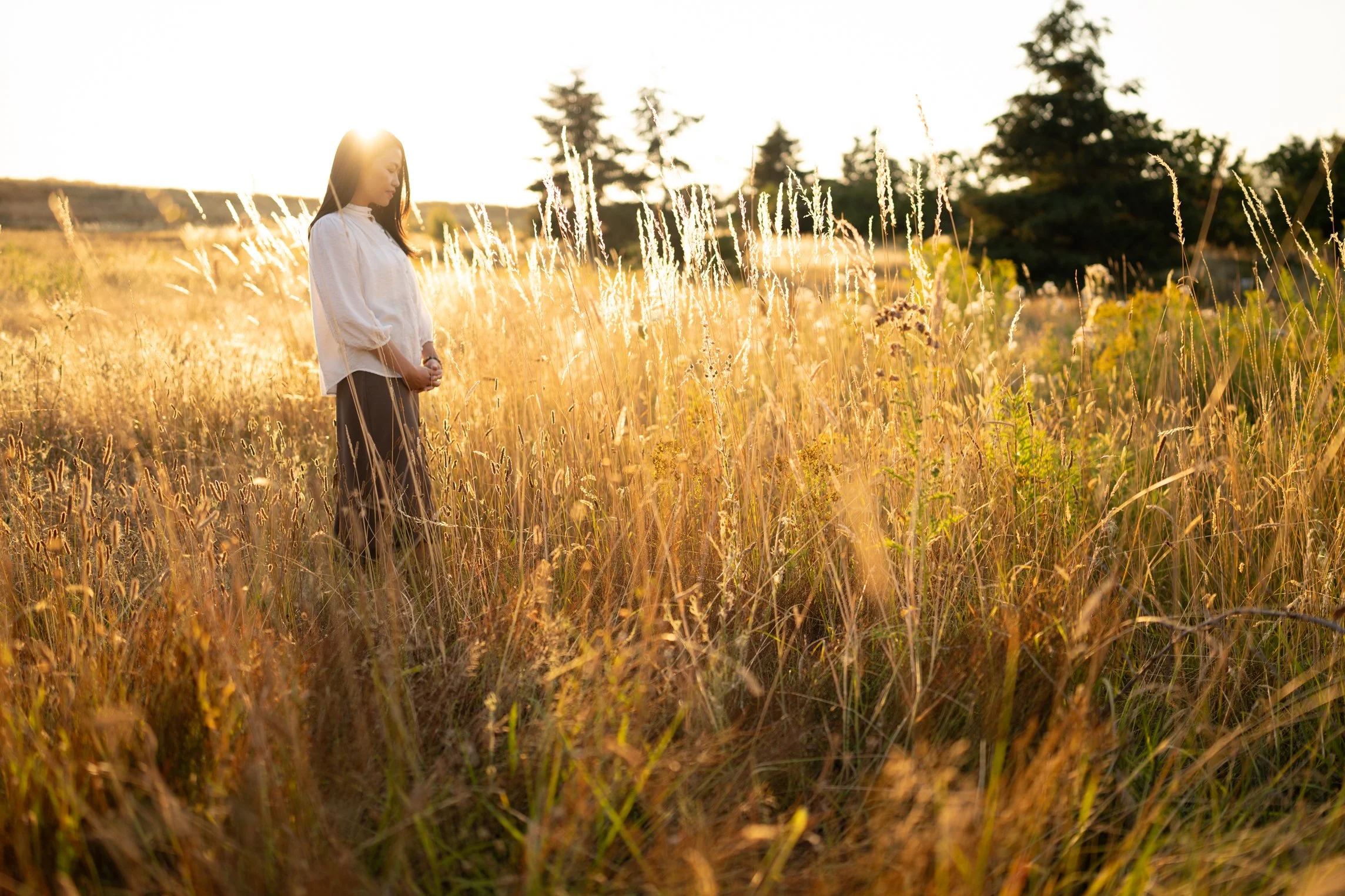
The Science of Seclusion, Introspection & Insight
Why We Retreat
1. Removing the Buffers of Modern Life
In our daily lives, we are constantly bombarded by stimulation, responsibilities, and digital notifications. Often, we use this constant busyness to buffer ourselves from the raw, sometimes uncomfortable realities of our own minds. A retreat provides a highly protected, structured, and distraction-free environment. By temporarily setting aside our daily roles, devices, and lists, we step out of "doing mode" and into "being mode." In this quiet container, the mind finally has the space to settle, allowing deep clarity and mindfulness to arise naturally.
2. Rewiring the Brain and Body for Resilience
The physiological benefits of retreats are robust and long-lasting, far outliving the temporary relief of a standard vacation. Clinical studies have shown that even a short, three-day intensive mindfulness retreat can alter brain networks linked to self-regulation and executive control.
Stress Reduction: Retreats stimulate the parasympathetic nervous system, helping to regulate cortisol (the primary stress hormone), normalize heart rate, and lower blood pressure.
Decreased Inflammation: Research shows that the deep mental rest achieved on retreat is linked to significant reductions in systemic inflammatory markers (such as C-reactive protein) and boosts immune function.
Sustained Mental Health: Meta-analyses show that mindfulness retreats produce substantial and lasting reductions in anxiety, depression, and psychological stress.
3. Learning to Sit with What is Difficult
Unlike standard wellness retreats that promise constant comfort, a true insight retreat offers something far more valuable: the opportunity to get better at sitting with what is hard. When we face moments of boredom, restlessness, or physical discomfort on the cushion, we are practicing how to relate to difficulty without immediately trying to escape, distract ourselves, or control our environment. Under the guidance of experienced teachers, we learn to meet our internal challenges with self-compassion, patience, and non-reactivity. These adaptive distress responses are the exact tools we carry back with us to navigate the turbulent waters of our daily lives with poise and grace.
4. Healing in Community (The Sangha)
A retreat is not a journey taken in isolation, but a shared experience within a community of practice. Practicing side-by-side with like-minded individuals creates a powerful sense of shared purpose and deep mutual support. Sitting, walking, and eating mindfully together reminds us of our shared humanity and our interconnectedness, breaking down the painful illusion of isolation. In this space, we cultivate the beautiful heart-qualities of loving-kindness, compassion, and generosity.
5. Reconnecting with our True nature
Ultimately, we retreat to remember who we are. Amidst the quietude of a sacred space, old wounds can find room to heal, and we can re-anchor ourselves in what genuinely matters. It acts as a powerful "reset button" for our heart mind, allowing us to return home not just rested, but deeply remembered—ready to move through the world with a spacious, generous, and awakened heart.